
The Body Knows Before the Mind: How Neuroception Detects Threat Before Logic
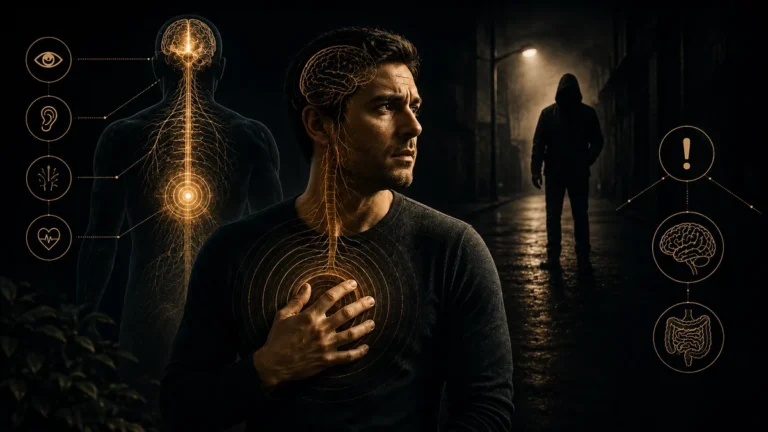
Your body reacts before your thoughts form. Neuroception is how the nervous system reads safety and threat in rhythm and tone, long before logic catches up.

Your body reacts before your thoughts form. Neuroception is how the nervous system reads safety and threat in rhythm and tone, long before logic catches up.

A steady voice reads as safe to your nervous system in under a second. Why we trust calm people, why that trust outlasts the evidence, and what earns it.
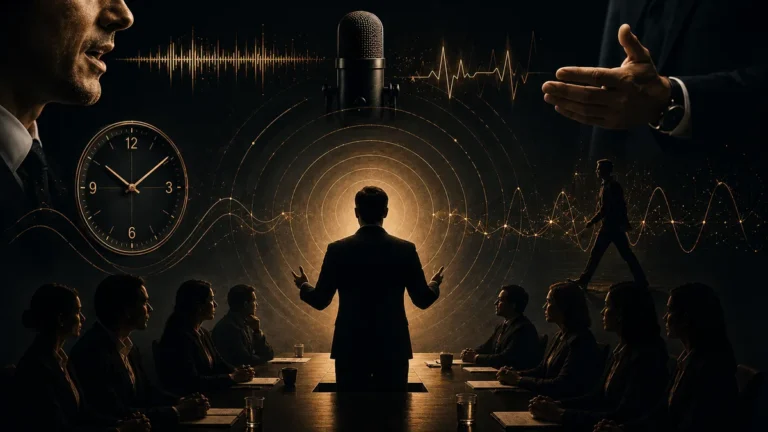
Why do some voices feel instantly credible? How voice shapes trust through pace, pitch, and rhythm, and the cue that separates real authority from performance.
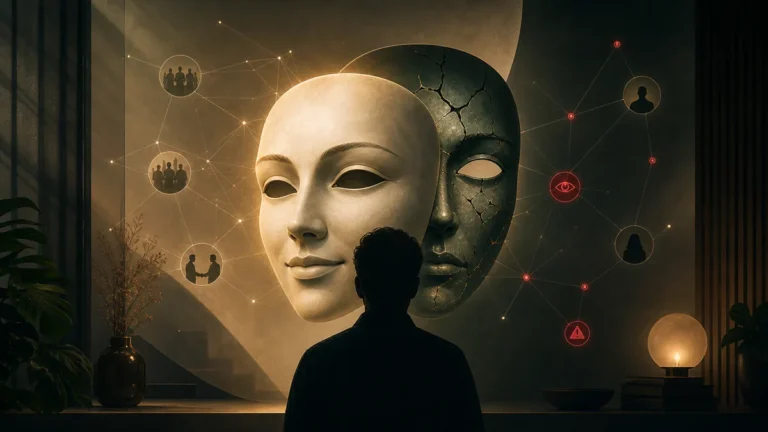
A behavioral psychology look at why we trust the wrong people, how status and social proof lower our guard, and a trust audit for reading red flags.
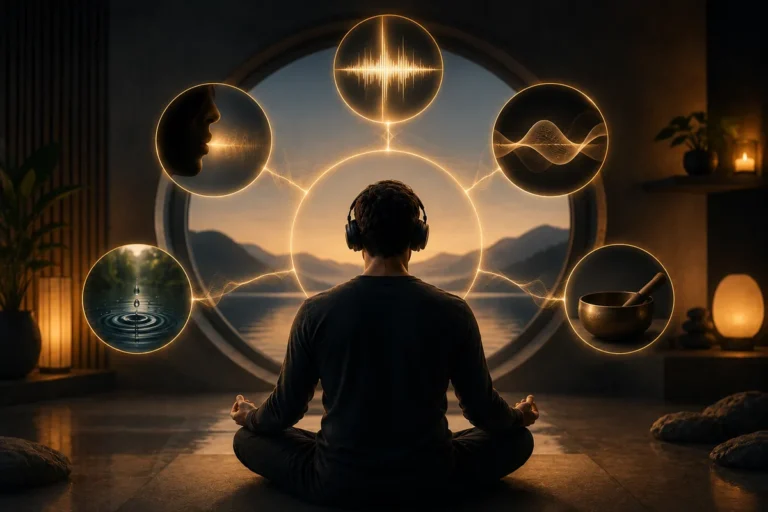
Your brain does not fall calm by accident. Dr. Shveata Mishra examines how sound and the nervous system interact, with 5 audio anchors to choose on purpose.
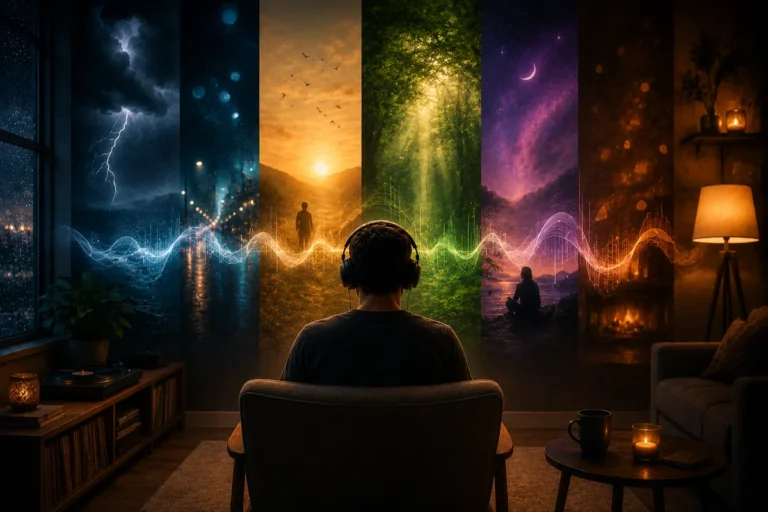
You call it background. Your nervous system does not. How background music shapes focus, stress, and the workday, and how to make your audio work for you.
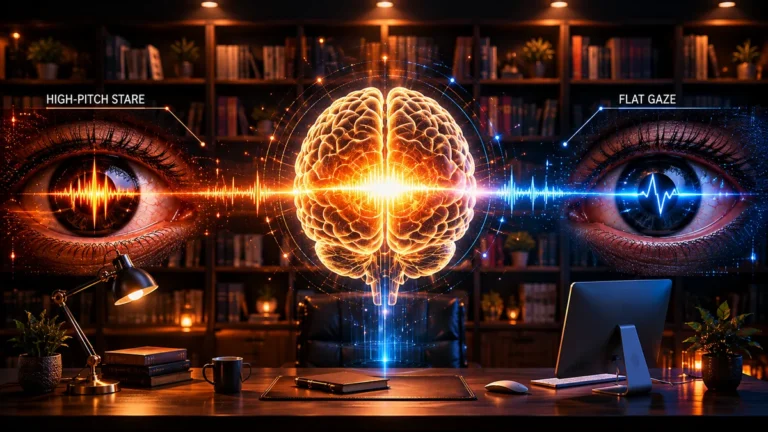
Your eyes are a live readout of your nervous system. Here's what your eyes reveal about your inner state, and four science-backed ways to tune your gaze.
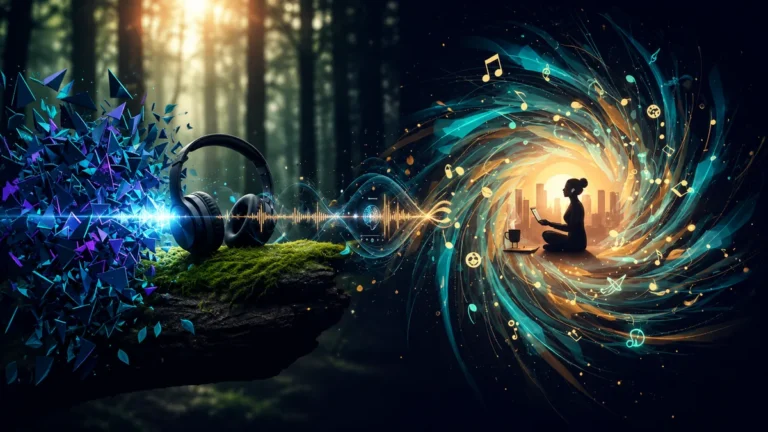
The power of music, examined: why songs give you chills, why sad music can feel good, and why a melody can feel like it knows you.
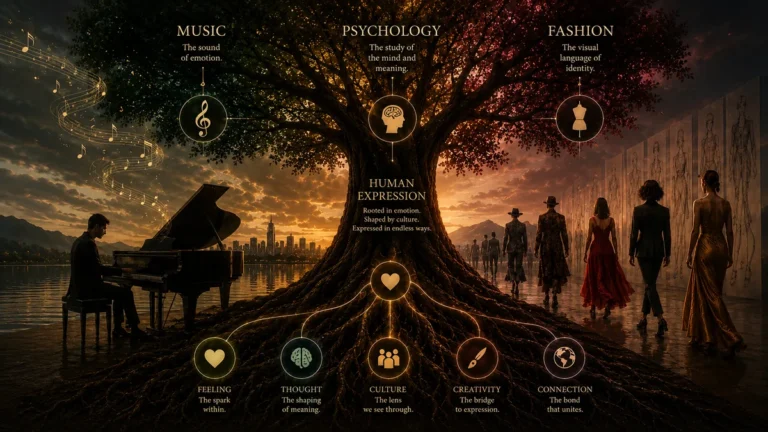
Music and fashion are two channels of one identity. A music psychologist examines how your playlist and your wardrobe signal, and shape, who you are.

Music psychology in daily life, examined: how intentional listening may support calm, focus, and emotional balance, with the research behind it.
A quiet place to begin
A research-informed listening practice designed to help your nervous system settle. Enter your email and I will send you the ritual as a PDF — along with new writing on sound, emotion, and identity whenever a new article is published.
People don’t just hear sound. They recognize themselves in it.