
Why Your Favorite Music Suddenly Feels Irritating
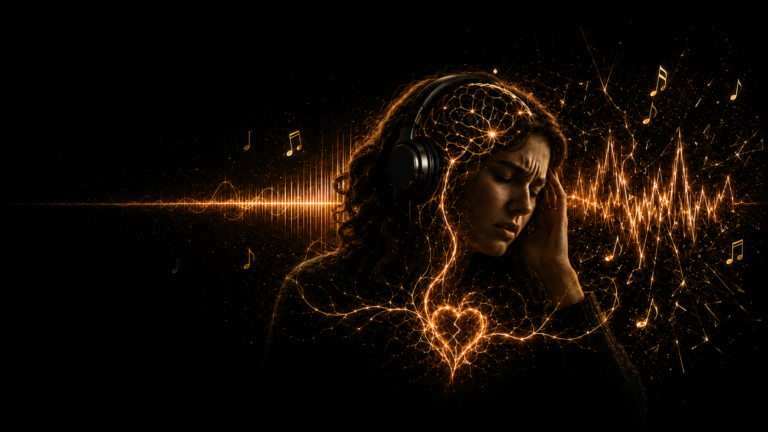
Even music you love can start to grate when your ears, nervous system, or emotional life have changed. Here's why it happens, and what to do.
Even music you love can start to grate when your ears, nervous system, or emotional life have changed. Here's why it happens, and what to do.
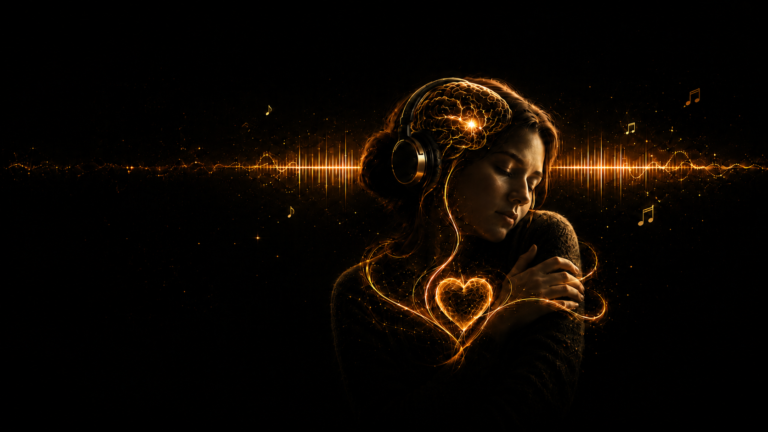
Some songs feel less like entertainment and more like recognition. Here is why certain songs make you feel understood through music, memory, identity, and emotional recognition.
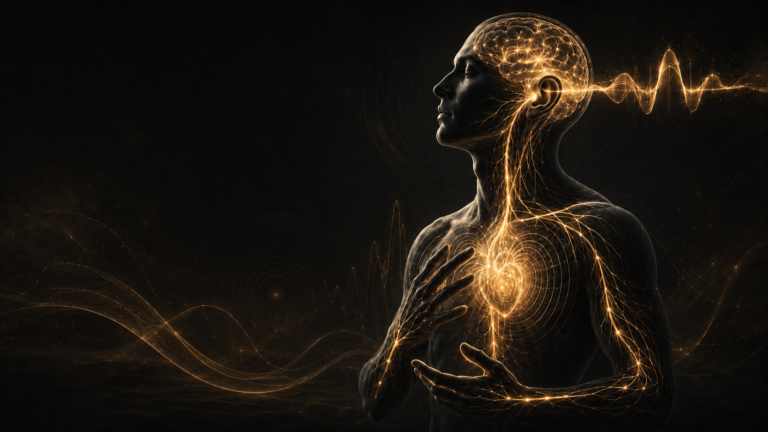
Why your body reacts to music before your mind understands it, and how rhythm, memory, emotion, and the nervous system make listening feel physical.
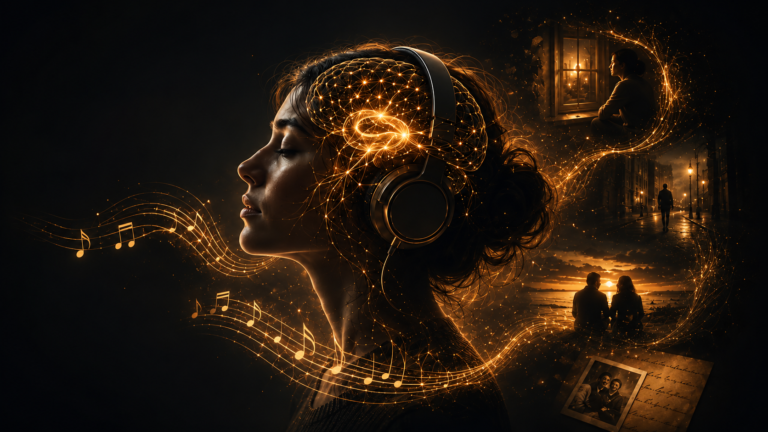
Some songs do more than remind us of the past. They bring back the emotional atmosphere of a whole moment in life. This article explains why music is so strongly linked to memory, nostalgia, and identity.
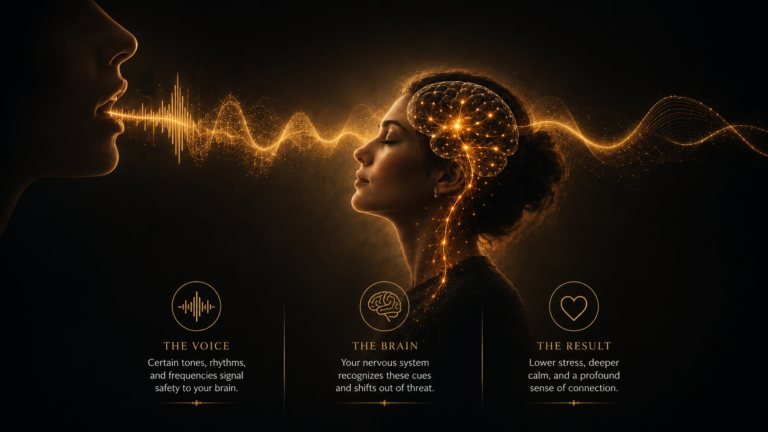
Some voices calm us before we even understand the words. This article explores how tone, sound, emotional memory, and the nervous system shape emotional safety and human connection.
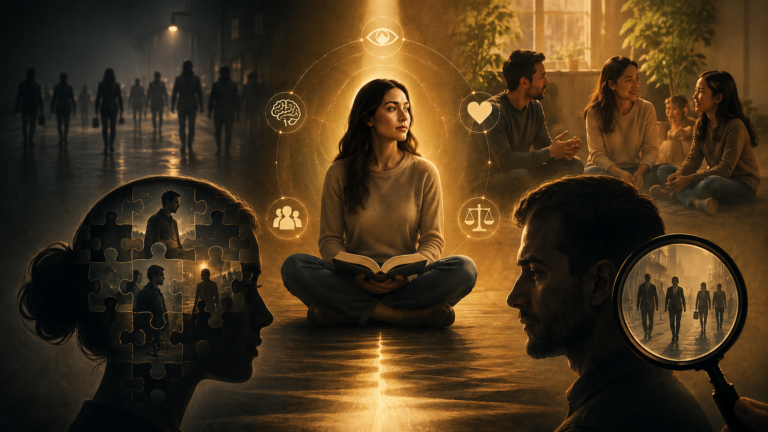
Behavioral awareness doesn’t have to create fear. This article explores how to teach discernment ethically, calmly, and responsibly.

High intelligence does not guarantee awareness. This article explores why smart people miss red flags and how behavioral awareness restores balance.
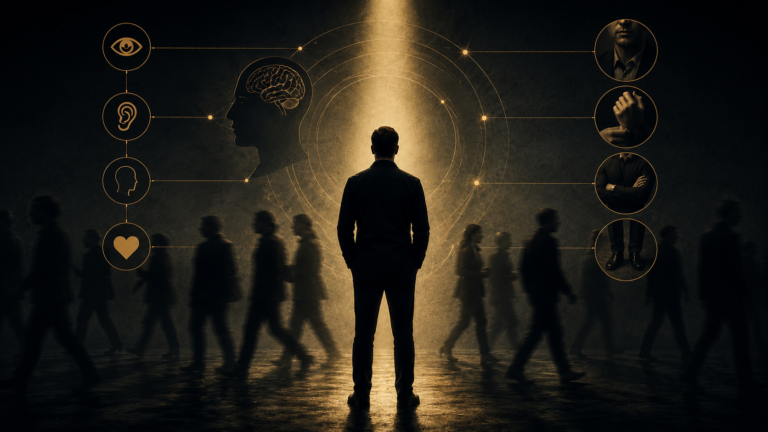
Awareness is not about suspicion or fear. It is the ability to read behavioral and nervous-system signals calmly, intelligently, and without losing empathy.
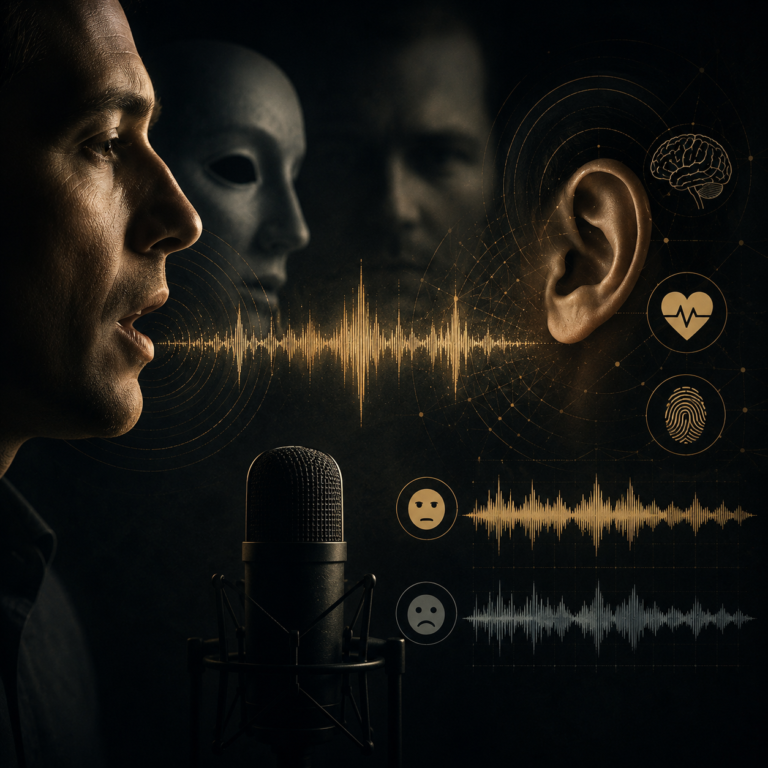
The human voice reveals truth long before words do. This deep dive into music psychology and neuro-acoustics explains how vocal rhythm, tone, and nervous-system regulation expose integrity or deception beneath polished speech.

Calm is not the same as integrity. This article reveals how performative control, false composure, and suppressed nervous systems can be mistaken for emotional intelligence and why the body often knows the truth before the mind does.