
Why Your Ears Never Fully Switch Off, Even While You Sleep
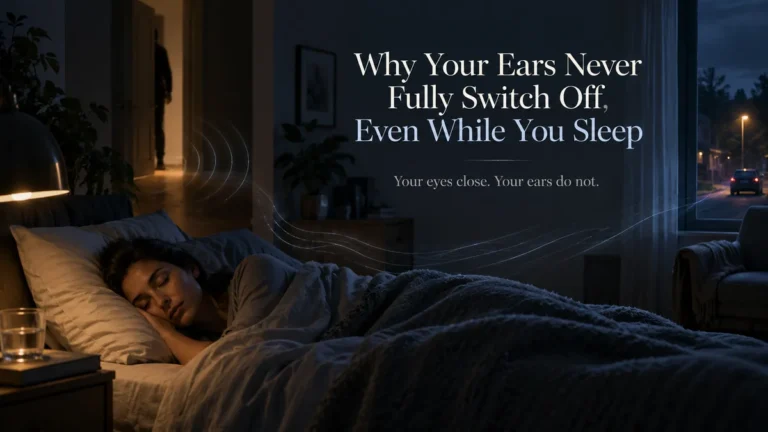
Your eyes have lids. Your ears do not. Inside the filter that keeps listening all night, sorts sound by meaning, and decides what is worth waking you for.
The nervous system reacts to the world long before conscious thought catches up. These articles examine how sound, stress, and exhaustion register in the body, and what helps it regulate.
Your eyes have lids. Your ears do not. Inside the filter that keeps listening all night, sorts sound by meaning, and decides what is worth waking you for.
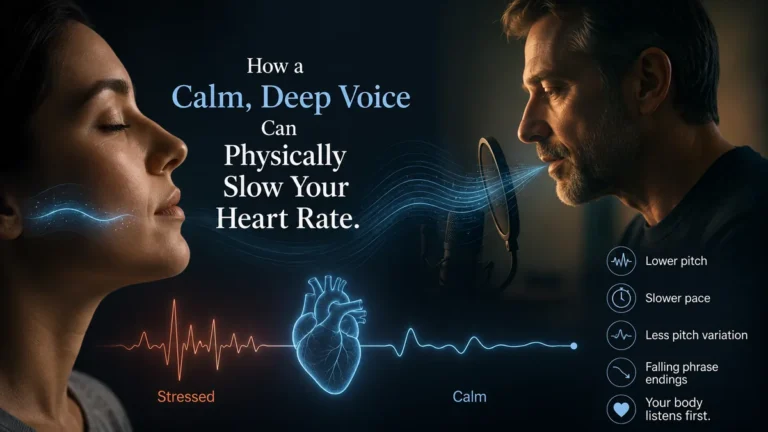
The research on pitch, prosody, and heart rate: what a calm deep voice does to the listening body, and how to use your own voice better.
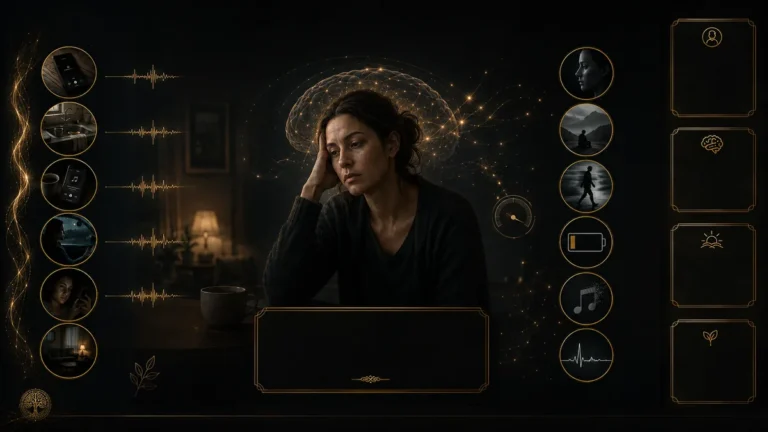
Depression does not always arrive as crying. Sometimes it arrives as a quiet loss of access to energy, pleasure, music, connection, and self.
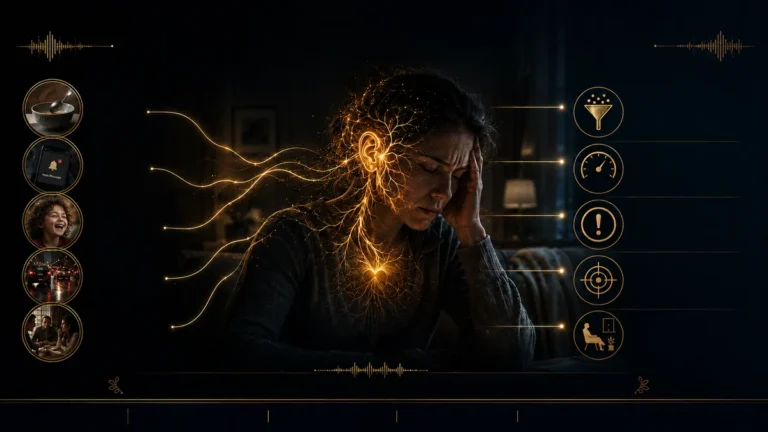
Emotional exhaustion can raise sound sensitivity, so ordinary noise feels like a demand. Here is the science, and gentle ways to protect your attention.
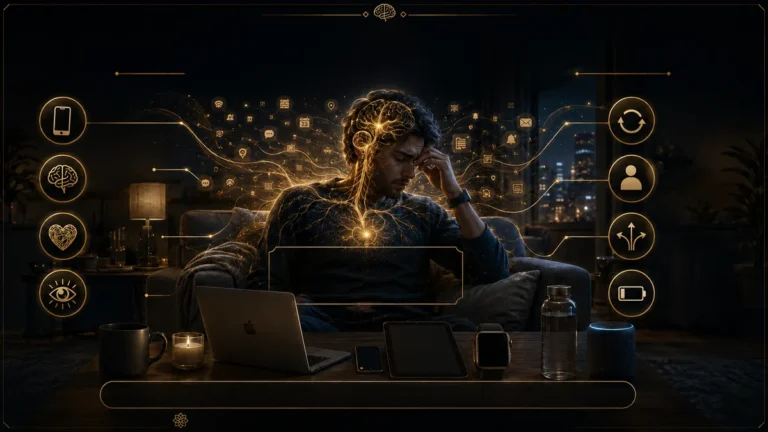
Modern fatigue is not always caused by visible hardship. Sometimes comfort hides constant cognitive, emotional, digital, and sensory load that the nervous system rarely gets time to recover from.

Emotional exhaustion can make small tasks feel heavy because the felt cost of effort rises when your nervous system is depleted. Here is why, and what helps.

Irritation does not always mean you are unkind or ungrateful. Often it is the nervous system signaling that too much has been carried for too long.
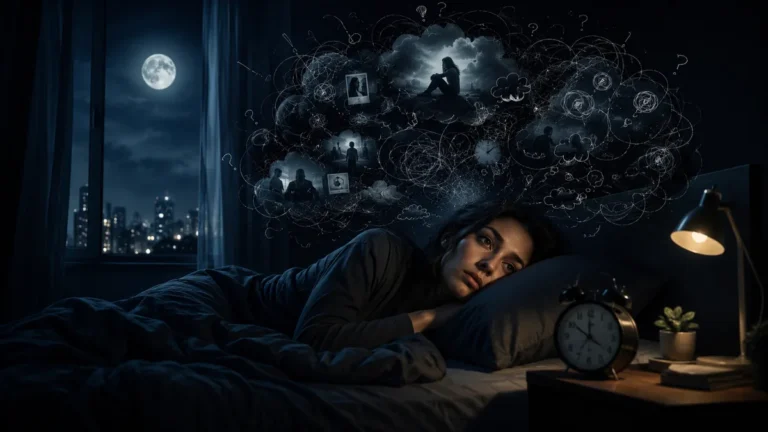
Nighttime overthinking isn't proof something's wrong with you. It's often what anxiety, fatigue, and quiet do when they meet a tired nervous system at night.
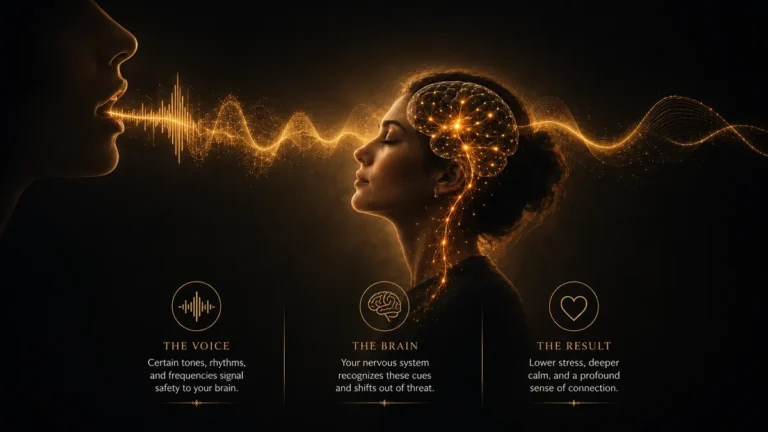
Some voices calm us before we register the words. How prosody, memory, and the nervous system turn a calming voice into a felt signal of safety.
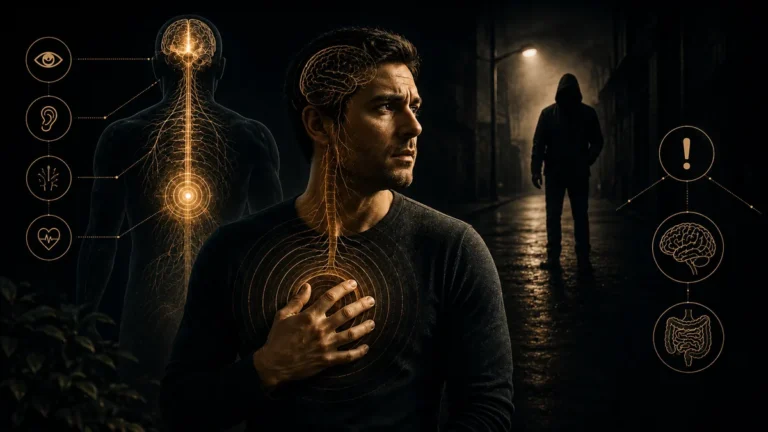
Your body reacts before your thoughts form. Neuroception is how the nervous system reads safety and threat in rhythm and tone, long before logic catches up.
A quiet place to begin
A research-informed listening practice designed to help your nervous system settle. Enter your email and I will send you the ritual as a PDF — along with new writing on sound, emotion, and identity whenever a new article is published.
People don’t just hear sound. They recognize themselves in it.