
How Background Music Quietly Changes Human Decisions
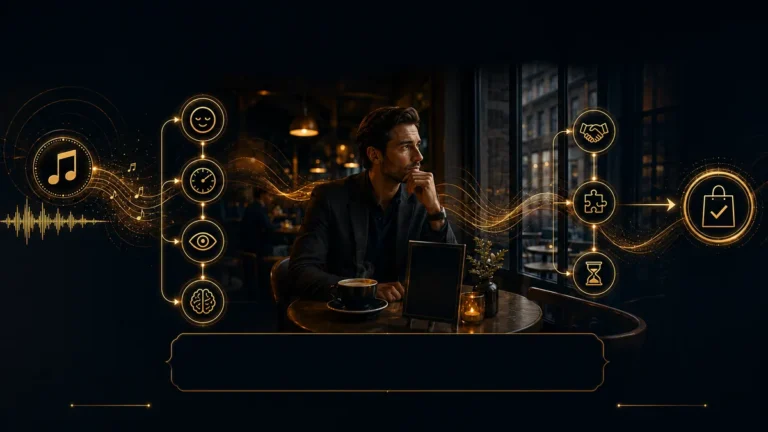
Background music rarely tells us what to do. It changes the emotional temperature of a room, and that can quietly shape how we choose, wait, spend, and trust.
Music psychology examines why sound moves us before we can explain it. These articles look at how rhythm, voice, and melody shape emotion, memory, and identity.
Background music rarely tells us what to do. It changes the emotional temperature of a room, and that can quietly shape how we choose, wait, spend, and trust.
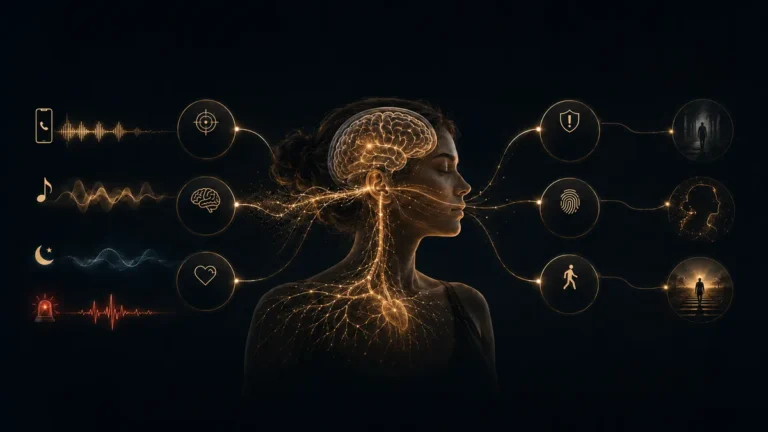
Sound does not simply enter the ear. It meets memory, mood, attention, culture, and the nervous system, quietly shaping how people feel, respond, and recognize themselves.
Even music you love can start to grate when your ears, nervous system, or emotional life have changed. Here's why it happens, and what to do.
Some songs feel less like entertainment and more like recognition. Here is why certain songs make you feel understood, in plain language with the science.
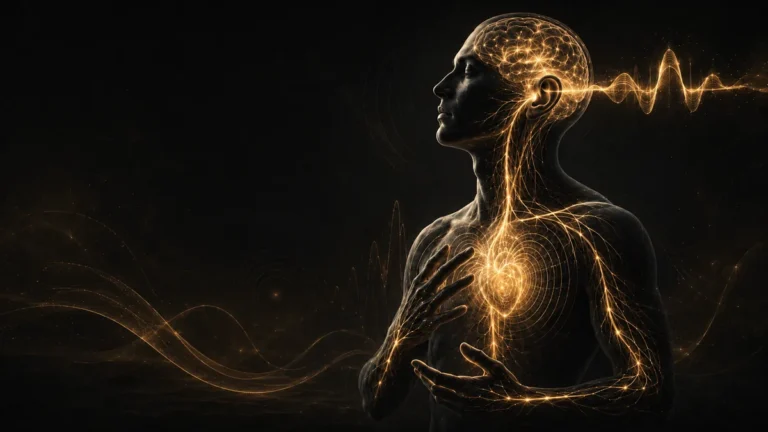
Why your body reacts to music before your mind understands it, and how rhythm, memory, emotion, and the nervous system make listening feel physical.
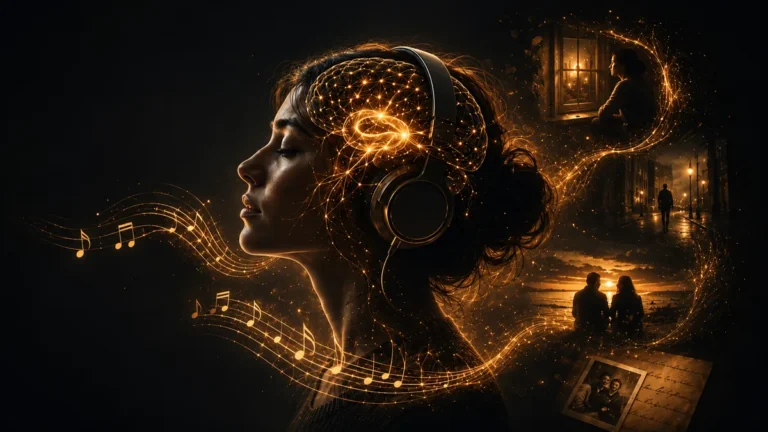
Why do songs bring back memories so vividly? Music psychologist Dr. Shveata Mishra examines how sound becomes a key to memory, nostalgia, and identity.
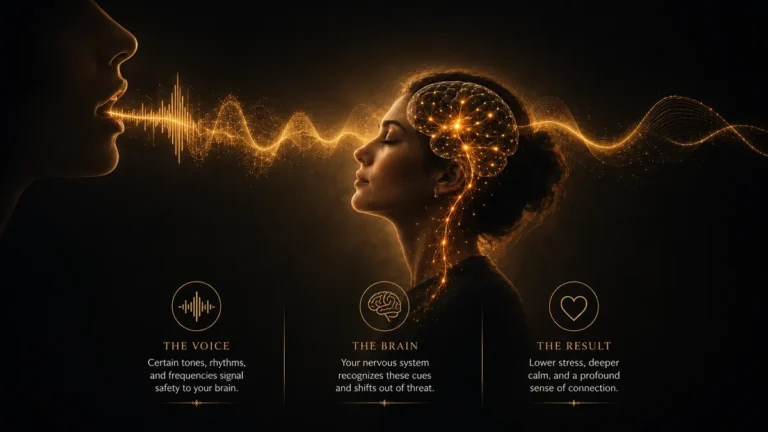
Some voices calm us before we register the words. How prosody, memory, and the nervous system turn a calming voice into a felt signal of safety.
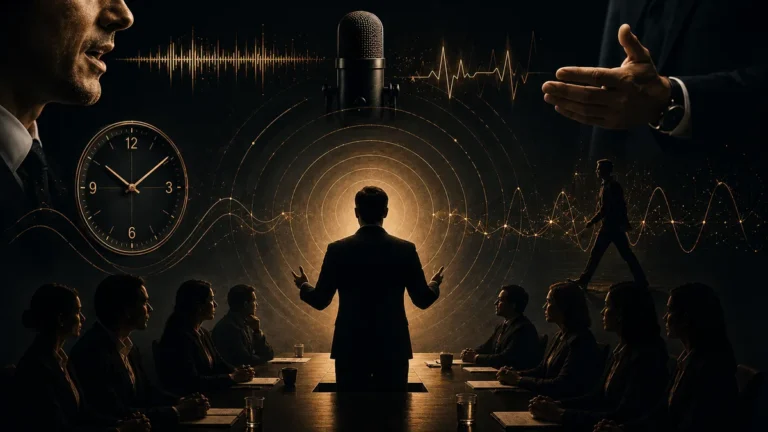
Why do some voices feel instantly credible? How voice shapes trust through pace, pitch, and rhythm, and the cue that separates real authority from performance.
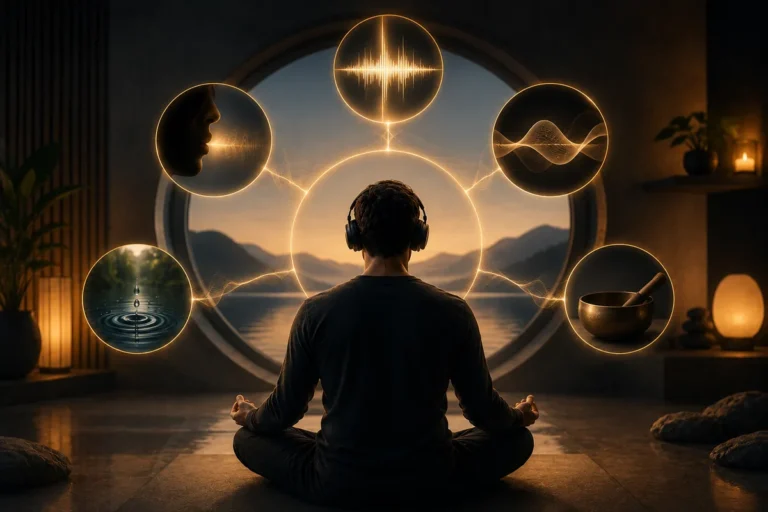
Your brain does not fall calm by accident. Dr. Shveata Mishra examines how sound and the nervous system interact, with 5 audio anchors to choose on purpose.
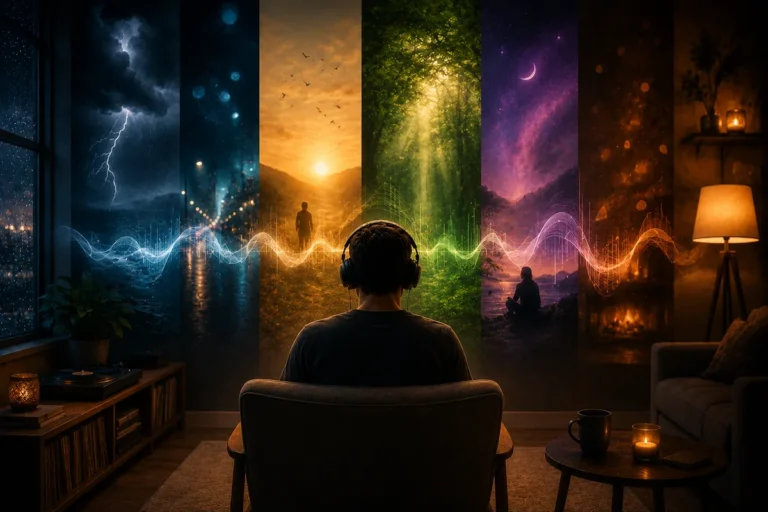
You call it background. Your nervous system does not. How background music shapes focus, stress, and the workday, and how to make your audio work for you.
A quiet place to begin
A research-informed listening practice designed to help your nervous system settle. Enter your email and I will send you the ritual as a PDF — along with new writing on sound, emotion, and identity whenever a new article is published.
People don’t just hear sound. They recognize themselves in it.